Showing posts with label John Wayne. Show all posts

Friday, February 18, 2011

These boots were made for blogging


Cowboy boots are on my mind today. And (heh) on my feet.

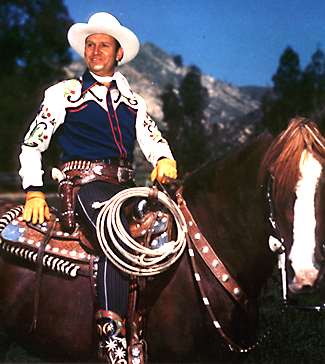
Of course cowboy boots come with so much symbolic weight it’s a wonder I can even walk in them. The cowboy is the most iconic, romantic, heroic figure in American history. Lean, laconic, and independent, he represents the way we like to imagine ourselves: tough as nails, self-reliant, unafraid of violence but guided always by a rigid code of honor. Owen Wister and Zane Grey helped establish the archetype, and Roy Rogers, Gene Autry, Audie Murphy, Gary Cooper, John Wayne, and Clint Eastwood, among many others, elaborated it for generations of children (and adults) on screens both large and small. In an increasingly urbanized society the image of the cowboy may seem quaint and anachronistic, but it can still exert a powerful pull.

All of which only partially explains why I just bought myself a pair of Luccheses—NV1503s in waxed and burnished olive leather, if you must know, as in the photo above—and why that’s such an unlikely thing for me to have done. Allow me to explain:

I have traditionally had a sort of ambivalent attitude toward cowboy boots. I have tended to associate them more with a certain kind of urban Texan—plump, loud, razor-cut hair, wearing pressed jeans and a white shirt, driving a too-big pickup—than with the rugged individualist of the bygone frontier. And then of course there’s that whole unfortunate association with a certain professional football team based in Dallas.

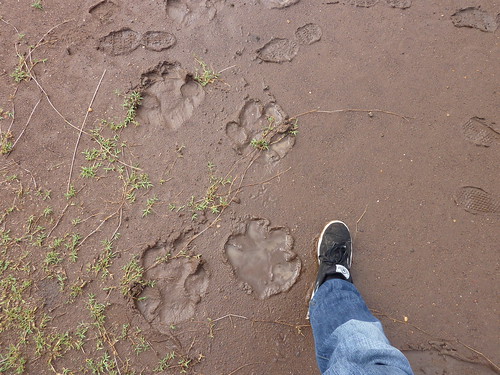
Moreover, my feet are famous throughout the tri-county area for their extraordinary width and flatness. They are the Great Plains of footdom. My footprints resemble the round tracks of a hippo rather than the delicately scalloped tracks of most humans.

Perhaps it’s not surprising, then, that I have a long and often painful history with cowboy boots. I bought my first pair in London, of all places, at a very trendy boutique on Chelsea’s Kings Road, during our honeymoon many years ago. (I know, I know: what kind of idiot travels from Texas to England to buy cowboy boots? All I can say in my defense is that Heather had just bought a pair, and I didn’t want to be left out. Also, I was young and foolish.) They were a sort of honey-colored suede, with white stitching, lethally pointed toes, and rakishly undercut heels. They were also one size too small, and way too narrow. The shopkeeper—a pox upon his cynical soul—assured me that they would stretch, which was of course utter nonsense. I probably wore them no more than twice, each time suffering horribly while they were on and requiring a great deal of assistance to peel them off my swollen feet, before finally coming to my senses and giving them away.

A few years later Heather’s parents gave me a pair of boots for Christmas. They were made of thick reddish-brown leather, completely devoid of decorative stitching, with squarish toes instead of the classic pointy ones—in other words, they weren’t really cowboy boots at all. They were, however, the correct size. I wore them a few times, usually at Christmas parties and the like, before deciding that they were just too heavy to wear much in Texas.

But these new Luccheses fit my astoundingly wide, flat feet right out of the box, and they are lightweight enough to make me think I might be able to wear them comfortably even when the temperature is above freezing. Moreover, they are quite dazzlingly beautiful: fairly restrained, as cowboy boots go, with decorative contrast stitching on the shaft and more subtle stitching on the insteps, though the toes are sharply pointed.

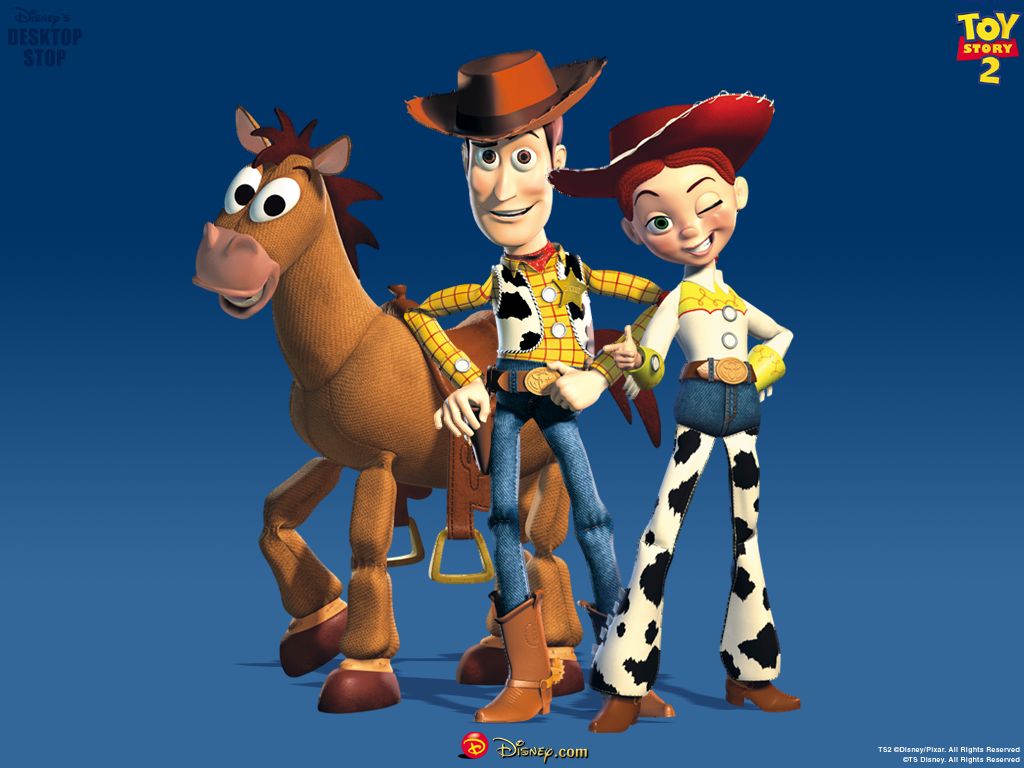
How often will I actually wear them? I have no idea; I may ultimately conclude that they make me look more like this guy than this guy. Also, we seem to be moving into spring, and my usual warm-weather wardrobe involves shorts, a T-shirt, and Birkenstocks, with a Hawaiian shirt and sneakers for more formal occasions. Still, I like looking at them in my closet, and it’s nice knowing they’re there if and when I need them.

The bottom line is that these boots are a symbol of my willingness to take on the trappings of my time and place. We live in Texas, and we own a ranch; we are Westerners, in other words, and we yearn to partake of the best of that heritage. I’ve made no secret of my loathing for many aspects of contemporary Texas (just ask Heather). Wearing cowboy boots is a step—a small step, perhaps, but a significant one—in my long journey toward acceptance and acknowledgment of who and where I am. This is my life, and these, believe it or not, are my boots.

Next on my shopping list: a Nudie’s suit!
—Martin


What we’re reading
Heather:
William H. Eddy, The Other Side of the World: Essays on Mind and Nature
Martin: Philipp Meyer, American Rust

Friday, January 8, 2010

The Frontier Times and auld lang syne


Happy Belated New Year, O Faithful Reader! And what better way to belly up to a brand-new year (and decade) than by contemplating the past? And what better place to contemplate the past, both personal and communal, than the Frontier Times Museum in Bandera, Texas?

A stuffed two-headed goat; a dentist’s chair and equipment from the 1880s; dead fleas wearing tiny human clothes (magnifying glass provided); a cluster of melted nails from the Great Chicago Fire of 1871.

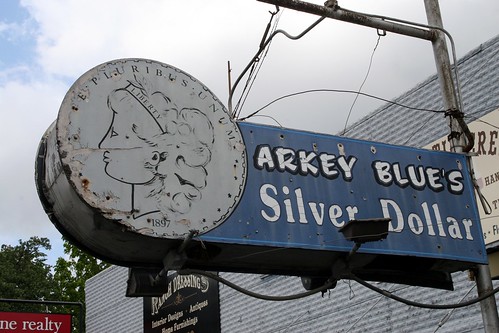
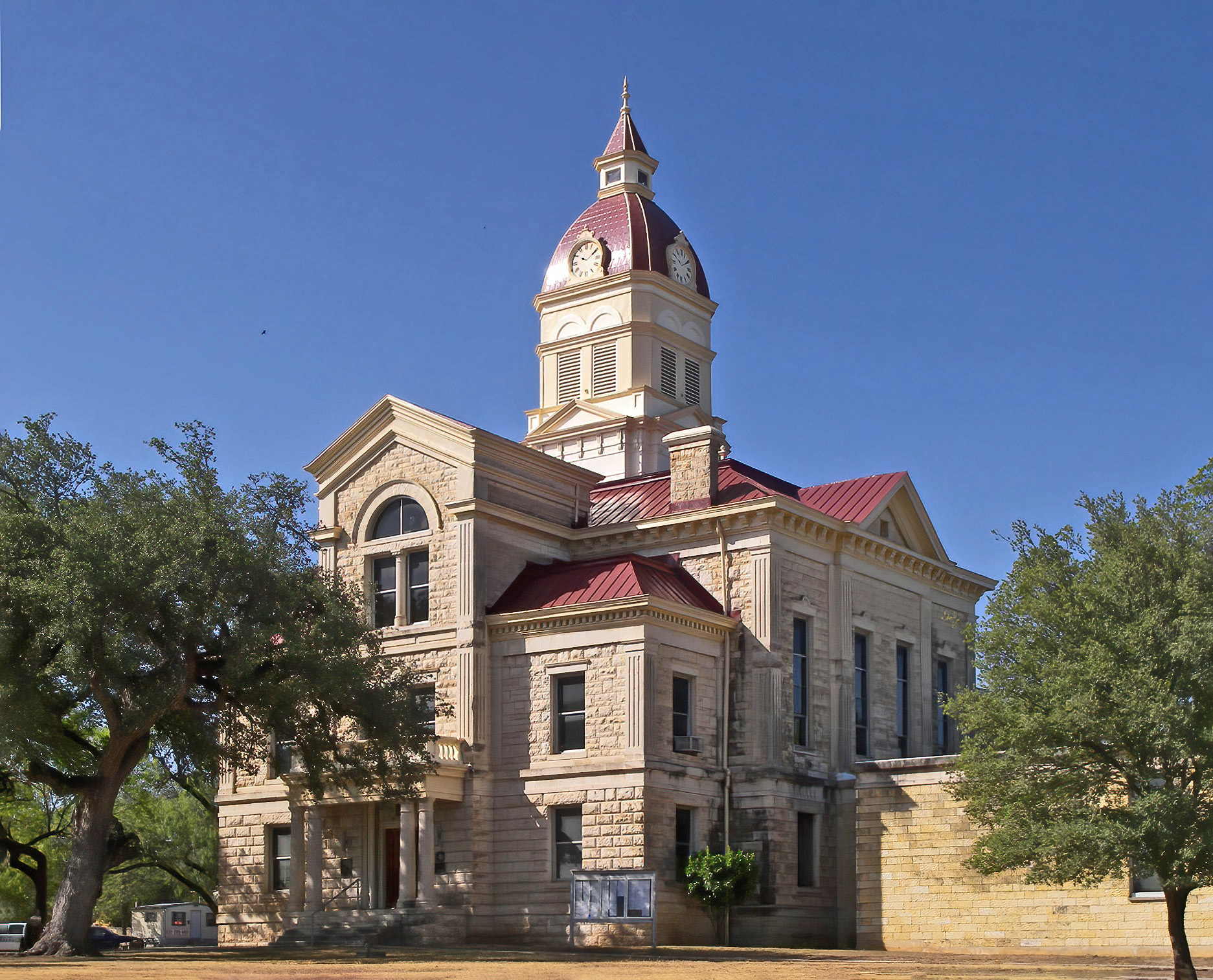
If you’ve never been there, you’re missing something special. Bandera, which likes to bill itself as “the Cowboy Capital of the World,” boasts a number of attractions: Arkey Blue’s Silver Dollar Saloon, where musical legends like Ernest Tubb, Hank Thompson, Willie Nelson, and Robert Earl Keen have been known to appear; the OST Restaurant (officially the Old Spanish Trail, but fondly known as the Old Sloppy Table), where you can dine in the John Wayne Room, a shrine to the Duke (who supposedly stopped in during the filming of The Alamo in 1960), or perch on a saddle at the bar; and numerous dude ranches, where you can try not to think about Jack Palance in City Slickers

But for my money the Frontier Times Museum beats them all hollow. You can talk about your Louvre and your British Museum, your Prado and your Uffizi, your Met and your MOMA, but the Frontier Times is pretty much my favorite museum ever. Wandering through it is like exploring your grandparents’ attic, if your grandparents happened to be eccentric and obsessive collectors of (mostly) Western memorabilia, and perhaps addicted to psychotropic drugs.

A diorama of the 1843 battle of Bandera Pass, using plastic cowboys and Indians; a photograph of John Wesley Hardin’s bullet-riddled corpse; the shrunken head of a Jivaro Indian woman; a map of Texas made out of rattlesnake rattles.

The Frontier Times Museum was the brainchild of J. Marvin Hunter, a newspaperman and amateur historian who founded the Frontier Times, a magazine dedicated to “frontier history, border tragedy, and pioneer achievement,” in 1923. The Frontier Times, which ceased publication in 2004, was a successor of Hunter’s Frontier Magazine, founded by Hunter’s father and published from 1910 to 1917; of this earlier publication, Hunter once wrote that its articles “are true in detail, though in some instances names and dates may be incorrect.”

Mrs. Louisa Gordon’s collection of 400 bells from around the world, with a pen-and-ink sketch of Mrs. Gordon’s grandfather’s house in England; a stuffed armadillo displayed beneath a hanging clarinet and sousaphone; stereoscopic views of the Taj Mahal, Acropolis, and Matterhorn.

As might be expected from someone with such a, well, flexible attitude toward the writing of history, Hunter was also an indiscriminate collector of memorabilia and relics. In 1927 he decided to share the wealth, as it were, and bought a small stone house two blocks from the Bandera County courthouse to show off his stuff.


But the collection grew like Topsy, and an addition was built in 1933, and then another in 1972. The effect is as if anybody in Bandera who ever went anywhere and brought anything back and eventually got tired of tripping over it in the garage just figured, “What the hell, let’s give it to the Frontier Times.” As a result, and unlike many museums, the Frontier Times is still adding to its collection, which now includes more than 30,000 items, and storage is becoming an issue.

German army helmets from World War I and World War II; a combination knife and fork for a one-armed man; a diary kept by “someone” in Geneva NY from 1835 to 1837; a serpent made of several hundred old English postage stamps.

The museum itself is charmingly low-key, its treasures arranged in what seems like random order, and many of the exhibit labels are either hand-written or typed on index cards, with occasional misspellings. Blessedly, you can make it through all three rooms in less than an hour, if you hurry. But take your time; the place is a unique meditation on the nature of history, a look inside the mind of a man and his community and a record of what they found worthy of preservation and celebration. As such, it is eminently deserving of more leisurely appreciation. I wonder what future generations will make of what we leave behind?

Plastic bottles from Poland, vintage 2006; a photograph of Judge Paul Desmuke of Jourdanton TX, who had no arms, playing the violin with his feet; a pillow stuffed with hair from camels brought to Texas by the U.S. Army in the 1850s; a Japanese shoe.
—Martin

What we’re reading
Heather: Karen Armstrong, The Case for God
Martin: Nick Hornby, Juliet, Naked