Showing posts with label Point Reyes National Seashore. Show all posts

Friday, July 16, 2010

There and back again: a geobiography


We recently led a seminar on Madroño Ranch as part of the annual Summer Literary Festival at Gemini Ink, a writing center in San Antonio. The theme of this year’s festival was “What Would Nature Do?” and in our seminar we read and discussed works by Wendell Berry, Annie Dillard, Michael Pollan, Ellen Davis, Lewis Hyde, and Mary Oliver. We also asked the participants to write a brief “geobiography” (as “A Native Hill” is described in the collection The Art of the Commonplace: The Agrarian Essays of Wendell Berry), a statement of how they consider themselves rooted in a particular place. Here’s a slightly modified version of what I wrote:

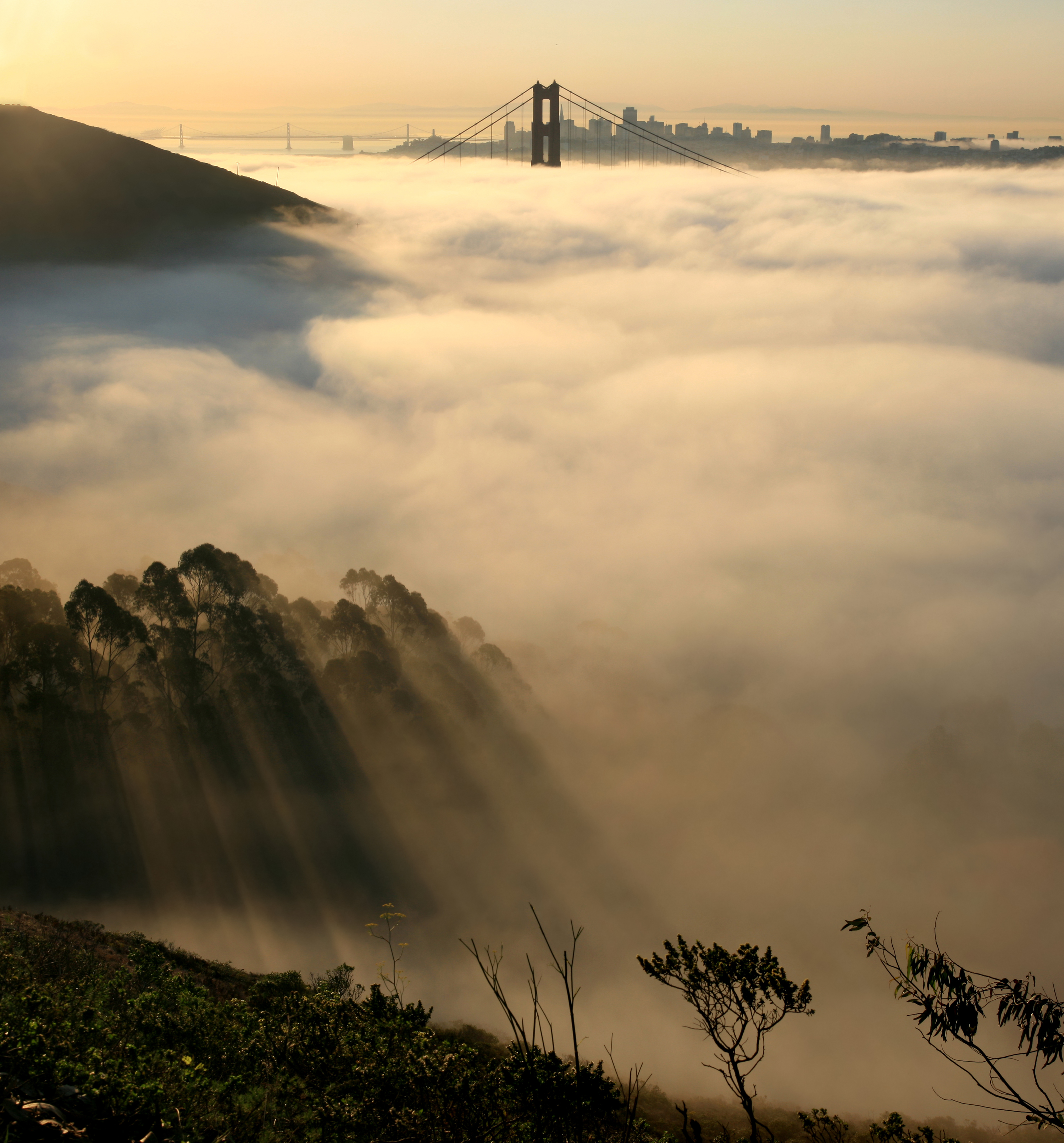
I am a native of the Bay Area, a place that everyone thinks is among the most beautiful in the world. I was born in San Francisco and grew up in Marin County, just to the north of the city across the Golden Gate Bridge; I lived amid the winding hillside lanes and towering redwood and eucalyptus trees of Mill Valley, beneath Mount Tamalpais, until I was eighteen, when I went off to college in Massachusetts. There I met the woman I would marry, a native Texan, as I recounted in an earlier post; she had a job lined up in San Antonio after graduation, I followed her there, and I never lived in California again.

Why did I so thoughtlessly, even eagerly, put California behind me when I left home? In part, I realize in retrospect, I was hoping to escape some not particularly unusual or interesting adolescent angst and family tensions, and to redefine myself as a brighter, happier person in a new setting, among strangers. (I say nothing of the futility of such an effort; I was young and foolish.) Massachusetts, and then Texas, seemed like blessed opportunities, and I clutched at them desperately.

Only… almost despite myself, I continued to count as my closest friends two men I had known almost since birth. Brad and I met in kindergarten; Hans came a few years later. The three of us went all the way through elementary and high school together, and all three of us headed east to college, Brad to Harvard and Hans to Yale. (Both, I hear, pretty good schools.)


After college, I ended up in Texas, while Brad and Hans returned to California, to Los Angeles and San Francisco respectively. Last year we all turned fifty, and Brad decided we should celebrate the milestone together. So, after much back-and-forthing (all three of us are married with children, with all the scheduling complications that implies), we arranged to meet in San Francisco in March and spend a day in Marin hiking along the California Coastal Trail, six miles from Tennessee Valley to Muir Beach and back again.

It was a beautiful day, we had a wonderful time, and we agreed to make this little reunion an annual event. This year, again, we gathered in March and spent the day hiking in Marin, this time at Pierce Point Ranch on the northern end of Point Reyes National Seashore. Next year we may meet in L.A., in deference to Brad; the year after that, perhaps we’ll meet in Texas.

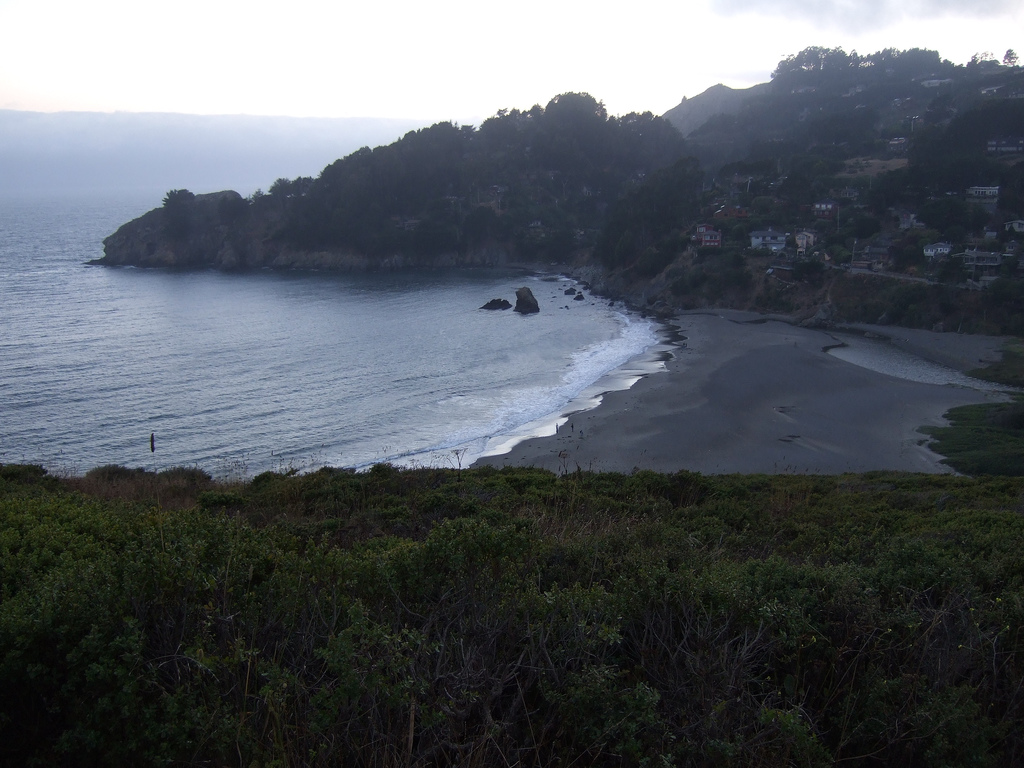
One of the wonderful gifts this time with Brad and Hans has given me is the opportunity to reconsider my relationship to California. My father was something of an outdoorsman, and when I was a child we went camping and hiking in Marin County, in the Sierras, and even up the coast to Oregon and Washington. For various reasons, I never really enjoyed these trips as much as I should have—or so I thought. But hiking to Muir Beach and at Point Reyes with Brad and Hans forced me to confront an unexpected and long-suppressed truth: I loved this land, and felt comfortable in it in a way I still don’t in Texas, even though Texas is now home. I gloried in half-remembered vistas, in the way the glittering ocean and the crepuscular redwood forests and the rolling dairy farms butted up against each other; in the cypress and eucalyptus and madrone and laurel and manzanita, and in the blooming flowers whose names I’d never learned; in the cool, salty air; in the fog banks drifting in over the Pacific.

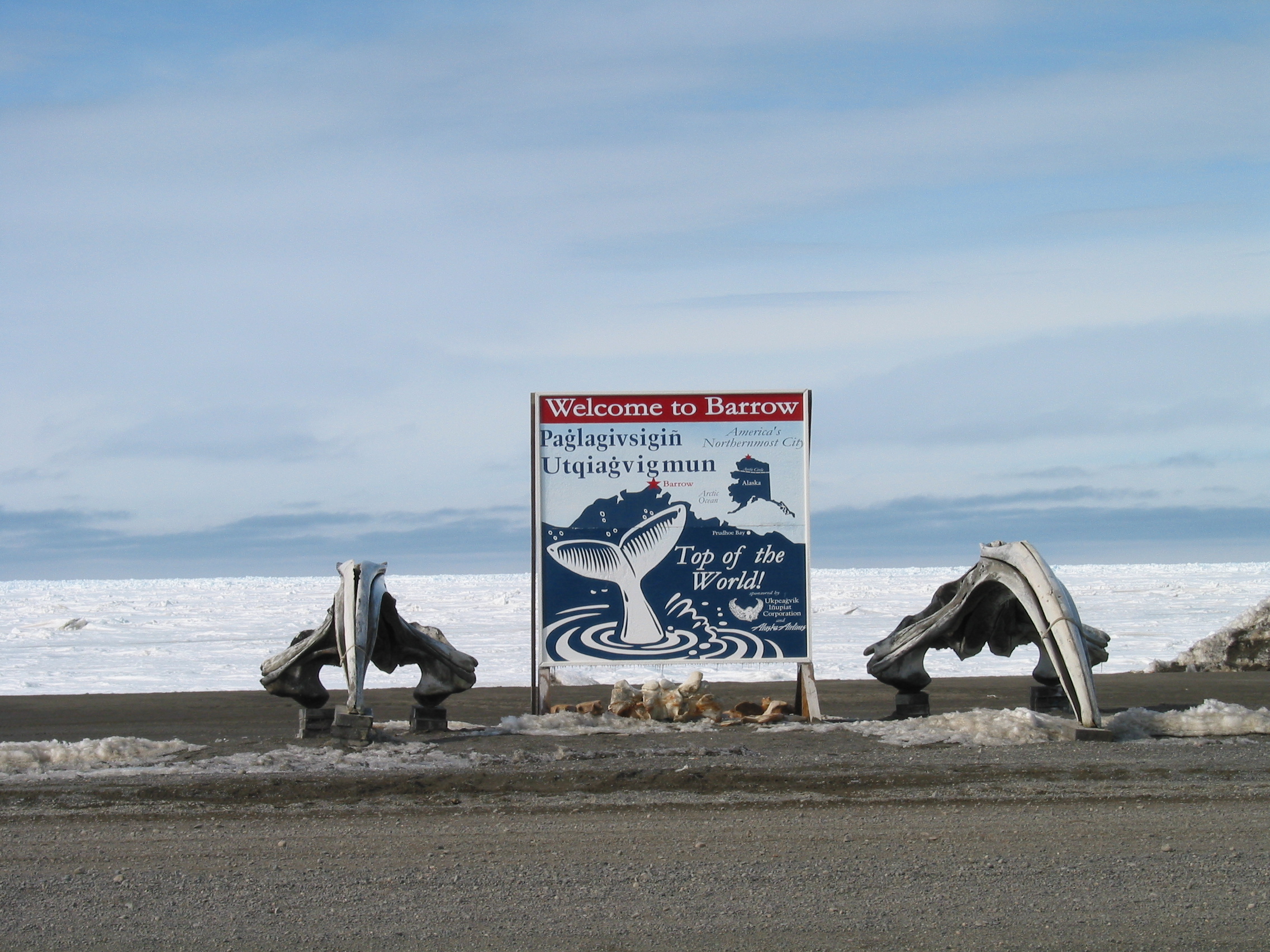
I felt as if a long-shut door in my head had been wrenched open again, and I could look out, for the first time in years, onto the bright green hills of a place I’d forgotten, or almost forgotten—a place I knew at once, with an almost literally breathtaking shock of recognition. I now realize that, having grown up amid such gentle but dramatic beauty (the suggestive, if erroneous, local legend has it that Tamalpais means “Sleeping Lady”), I came to believe that the world is an essentially beneficent place, and that the land is an unfailing source of pleasure and comfort. (I might have reached a different set of conclusions had I grown up in, say, Orla, Texas, or Barrow, Alaska.)

Mostly, however, I realize how much I took for granted, and how unbelievably lucky I was (and am). Over the years I’ve wasted a lot of time and energy in attempting to deny or at least rewrite my past, but now I feel as though I’ve been given a second chance to connect, to learn this land—not as the place I live, perhaps, but as the place I’m from, the place that formed me.
—Martin


What we’re reading
Heather:
Kathryn Stockett, The Help
Martin: Dan O’Brien, Buffalo for the Broken Heart: Restoring Life to a Black Hills Ranch

Friday, June 11, 2010

Home with the armadillo: a love letter to Texas


Recently we and our three kids went to Martin’s native San Francisco to help celebrate his father’s eighty-fifth birthday. The five of us spent an afternoon walking along the cliffs of Point Reyes National Seashore, where the ground was springy, the wind was fierce, and in some spots along the trail we pushed through wildflowers up to our shoulders. Hawks wheeled through the cloudless sky, elk sunned in the lees of the cliffs, and the ocean’s shining hide swelled and stretched like the flanks of a well-groomed, self-satisfied, and very large cat. At one point, our son Tito turned to us and said incredulously, “You mean we had a choice between this and Texas?”

Yes, well. Despite Martin’s entertaining recent post on how he has come to terms with living in Texas, he has spent much of his time in the Lone Star State not entirely convinced that civilized life is possible here—certainly not from May to October, and frequently not after elections. I grew up spending summers in Colorado, where despising Texans is a competitive sport, and as a teenager and young adult I also got to spend time in places of unsurpassed beauty such as the highlands of Guatemala, the Swiss Alps, the Masai Mara, Paris, and the Canadian Rockies. And yet I love Texas and can’t imagine living anywhere else. Time for that apologia, son.

Some of my love of Texas is just an old bad habit. Many fine writers have noted how people stubbornly cling to the smells and sounds of their childhood, sensations that undermine the idea that time moves only into the future. Much of my first decade was spent in the then-unbroken woods just north of the San Antonio airport. The uncanny whinny of the screech owl, the languid moan of the mourning dove, the overpowering sweetness of mountain laurel at Easter, the loneliness of the north wind on a clear winter day: each time I experience these now I’m reminded that the girl who was gripped by them forty years ago is still inside me. She isn’t gone, despite all appearances to the contrary.

There’s more to it than nostalgia, though. Texas tells stories about itself, some of them true. While I know that many find this self-conscious tale-telling irritating—maybe even pathological—I find it sort of comforting. So maybe we actually lost the battle of the Alamo. So maybe the Texas Rangers weren’t a bunch of ethically ripped superheroes. So maybe every cowboy doesn’t have the soul of a poet. But there seems to be a (nearly) conscious yearning for the power of myth to work among us with these stories. Of course, there are stories Texans tell about themselves that I loathe: bigger is better, we should each of us be our own posse, it’s manly to kill animals with automatic weapons and spurn the meat—but this is a place that recognizes the power of stories to shape reality.

One of the stories told over and over in multiple variations is the power and variety of the land itself. One of my favorite signs is on Interstate 10 at the Louisiana-Texas state line. It reads something like this: Beaumont, 20 miles; El Paso, 937 miles. While I have lived only in Central Texas—in some ways the easiest part of the state to love—I’ve learned to respect and admire many of the landscapes between the ends, from east to west and from north to south. I make no claims to anything but the cursory knowledge that comes from road trips involving grumpy children – me and my siblings years ago, and more recently our own children. My parents drove us to Colorado every summer through the Panhandle; Martin and I chose instead to make our annual pilgrimage by way of Fort Stockton and then north through the Pecos wilderness. One hot summer day the gas tank light came on when we were halfway through the hundred inhospitable miles between Pecos and Loving, New Mexico. The prospect of running out of gas here at midday with a dog and several children concentrated the mind wonderfully and caused me to sweat through my clothes despite the car’s air conditioning. (We managed to make it to the next filling station.) We passed by multiple examples of the land’s indifference to human striving: we often threatened to abandon our squabbling children in Orla, an oil ghost town baked into dusty submission, if they didn’t behave. (It didn't help.)

We always planned our route back to Austin through Balmorhea and Fort Davis and, inevitably, a thrashing summer thunderstorm would force us off the highway—or so we assumed, since we couldn’t even see the highway through the mud on the windshield. But before the storm hit, you could see the Guadalupe Mountains to the west, and when we made it to Marfa and the high grasslands, we—well, some of us—were exhilarated by the wind and the shadows, by the pitilessness and delicacy of the Chinati Mountains.

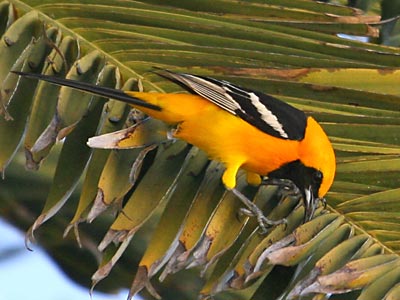
At the other end of the spectrum, I love the featurelessness of the south Texas brush country, an admittedly perverse passion. In March, the mesquite bloom neon green. At least as many things will sting, bite, or poison you as won’t. As our friend and mentor Hugh Fitzsimons of Thunder Heart Bison says, there are two seasons in south Texas: January and summer. At the rare watering holes, there are birds of remarkable beauty: green jays and hooded orioles and American widgeons. Once in April, on my way back from Piedras Negras and Eagle Pass, I drove through a migration of yellow sulphur butterflies that extended for dozens of miles. When I got back to Austin, probably a dozen people pointed out the grotesque beauty of my Suburban’s grille, which had become an extravagant collage of dead butterflies.

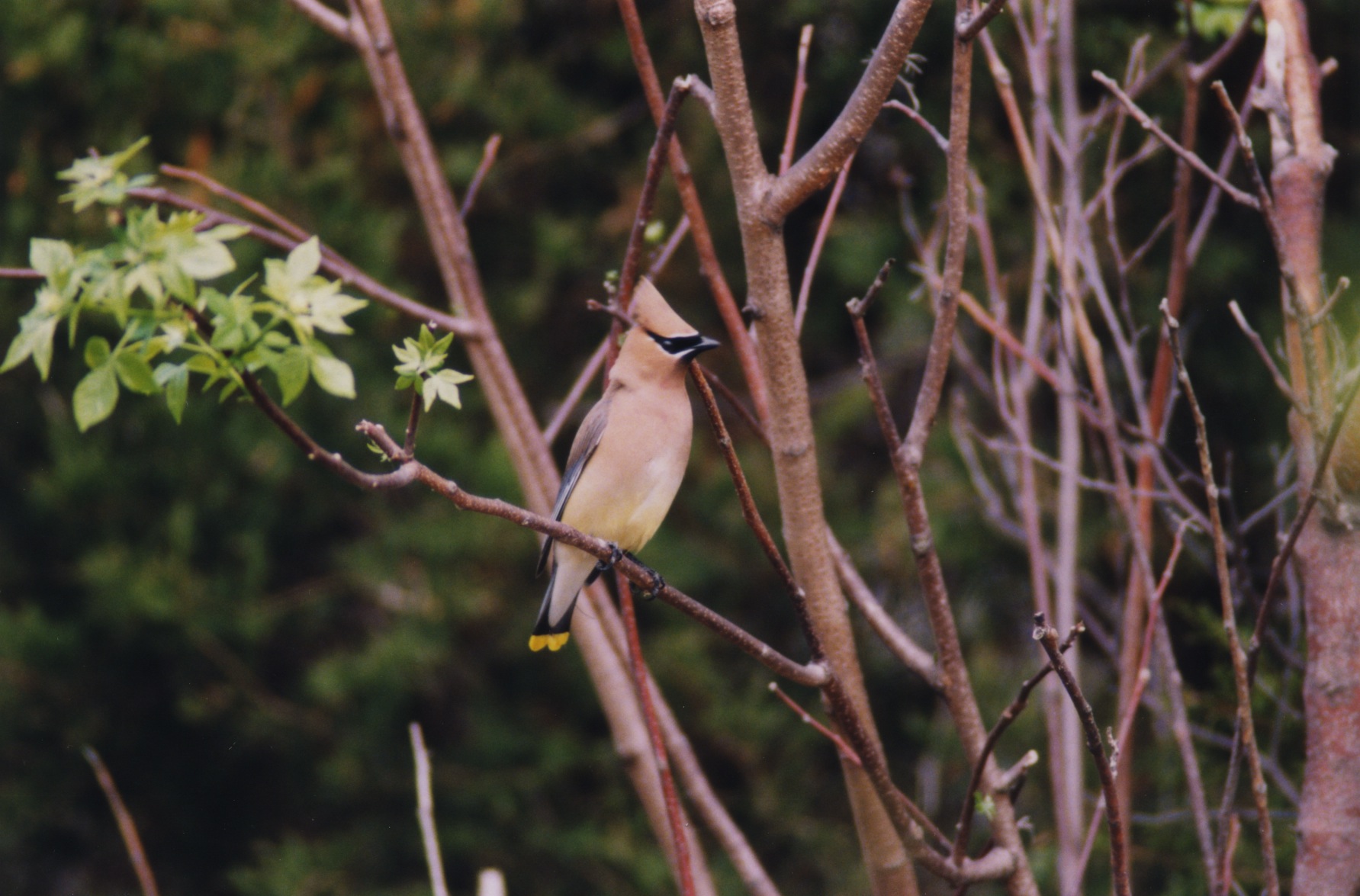
I’m leaving a lot of verses out of my Texas love song, but the last verse here has to be the one about the Hill Country. Loving the Colorado Rockies as much as I love any landscape, I’ve been trained to seek out views, to climb and pant and strain and exult upon reaching the summit. Well, the Hill Country upends that paradigm. Once you make it to the top of the hill—at least at Madroño—the landscape sinks into an unexpected anonymity. The personality of the Hill Country is in its draws and canyons, the intimate interstitial places where oaks and pecans crowd together, and great slabs of limestone create undulating walls and pools, and ferns and cedar sage grow with the demure confidence of cloistered beauty. In February, the draws ring with the slurred chatter of hundreds of intoxicated robins and waxwings. The draws also snarl with the movements of feral hogs, coyotes, and mountain lions, and vibrate with the possibility of rattlesnakes on sunny shelves, the clatter of unseen hooves in caves and cedar brakes, and the songs of maddeningly invisible birds that suddenly move, shine, and disappear again before they can be named. The draws protect and expose, invite and terrify. You want stories? You’ll find them here.

So, son, I’ll be happy to spend time in California, especially in August, even if the locals make fun of how I talk and where I’m from. But I’ll always want to come home.
—Heather


What we're reading
Heather: Belden C. Lane, The Solace of Fierce Landscapes: Exploring Desert and Mountain Spirituality
Martin: Ian L. McHarg, Design with Nature

Friday, March 12, 2010

Mapping the geography of hope: our place in the wilderness


Last week, during a visit to San Francisco that also took us to the nearby Djerassi Resident Artists Program, Martin and I spent a day exploring the Point Reyes National Seashore with his childhood friends Brad and Hans. Before setting off on our hike, we wandered into Point Reyes Books and wandered out again with the first two volumes of the West Marin Review, a nifty literary journal whose inaugural issue considers Wallace Stegner’s claim that “[w]e simply need... wild country available to us, even if we never do more than drive to its edge and look in. For it can be a means of reassuring ourselves of our sanity as creatures, a part of the geography of hope.”

Even if I can’t give coordinates for the geography of hope, I like the idea that it might exist on some map buried deep under the mess in my brain’s glove compartment. In current mainstream environmental thinking, however, humans and wilderness cannot exist together because humans are an inevitable contaminant. Having spent the drive from San Francisco to Point Reyes with my face glued to the car window taking in an enticing new vocabulary of birds, I’d like to think that the geography of hope includes a place where humans are part of wilderness, not set off from it.


Our hike took us north between Tomales Bay and the ocean, through herds of tule elk, watching waves crash on the rocky shore and tender crocuses and poppies huddled in the chilly wind. As we returned to the parking lot at Pierce Point Ranch, we heard the whine of chainsaws; the Park Service was taking down an enormous Monterey cypress, maybe 75 feet tall. The presence of rot in some branches posed a threat to the uninhabited cluster of historic ranch buildings at the head of the trail. The decision to cut down the tree seemed iconic of the destruction endemic to human activity in the natural world.

So it was with interest that I saw an essay in the West Marin Review entitled “The Fiction of Wilderness,” by Mark Dowie, the former editor and publisher of Mother Jones. Dowie suggests that the Wilderness Act of 1964 set in stone the idea that wilderness was best preserved by balkanizing large tracts of land and ejecting any permanent residents who might have lived there, as the Miwok tribe was ejected from Yosemite. He says this creates “a commodified wilderness... a deliberate charade, a culturally constructed neo-Edenic narrative played out for weary human urbanites yearning for the open frontier their ancestors ‘discovered’ then tamed—a place to absorb the sounds and images of virgin nature and forget for a moment the thoroughly unnatural lives they lead.” (Ouch.)

But Dowie suggests an alternative. His research revealed that many aboriginal peoples have nothing analogous to the Western conception of wilderness and were stumped when he tried to explain it to them. The closest equivalents in their languages were domesticated ones: “back yard,” “big farmyard,” “food,” or “pantry.” There was, in other words, no sense of separation between the people and the landscapes they lived in. Dowie quotes a Tarahumaran ethno-ecologist from Mexico who says that in his culture the landscape is granted the same love and affection as family, resulting in a “kincentric ecology.”

Dowie hopes that environmentalist notions of wilderness can change to include the possibility of human activity intimately embedded within the land in a mutually profitable relationship. When we see ourselves as apart from a pristine nature that exists outside the bonds of kinship, we are more likely to commodify and exploit it.

Serendipitously, my reading took me from the West Marin Review to a publication that our friends Hugh and Sarah Fitzsimons of Thunder Heart Bison gave me just before we left for San Francisco. Entitled Five Ways to Value the Working Landscapes of the West, it may not rise immediately to the top of the New York Times best seller list, although it makes for compelling reading. The first essay, “In Praise, and in Appraisal, of the Working Landscapes of the West,” begins with this heartening pronouncement: “The simplest fact about Western ranches tends to be the one which most folks tend to forget: raising range-fed livestock is one of the few economic activities that produces food—and potentially ecosystem health and financial wealth—by keeping landscapes relatively wild, diverse, and resilient.”

We’re planning our first bison harvest in the near future and have hopes of developing a food culture that will feed whoever happens to be staying at Madroño Ranch and perhaps others in the immediate community as well. Our concern can’t stop at our bellies, though: what feeds us must be fed as well, and well fed. The essay’s authors, Gary Paul Nabhan and Ken Meter, write of working landscapes: “if we commit ourselves to eating their bounty, we derive a good portion of our nourishment from the very ground on which we stand. We do not stand apart [my emphasis] from the energy and water flows of our home ground. Instead, they work through us, and we work because of them. The land is not mere scenery suitable only for tourism and leisure. It is a functioning community in which we either live well or poorly, depending on how efficiently and conservatively we participate in the land’s work.” And then, as the clincher, they quote my new hero Henry David Thoreau: “[P]erhaps we are here to ‘meet the expectations of the land’ and not the other way around.”

This whole blog post may be nothing more than a stemwinding rationalization for contaminating the rapidly disappearing Texas wilderness. But I hate the idea that there is no room for an ongoing and mutually satisfying exchange between the landscape and its human inhabitants. We need guides to lead us from here to there, though, guides who know both the intimate history of the land and the capacities and limits of new technologies. Increasingly, these guides are ranchers like Hugh and Sarah who cherish their working landscapes and who, in return, receive its abundance, even in lean times. We’d like Madroño Ranch to find its own place in this geography of hope.
—Heather

What we’re reading
Heather: Henri J. M. Nouwen, In Memoriam
Martin: Jay Parini, Promised Land: Thirteen Books That Changed America